Loading...

Saraswati Shilpayan

Our Painting Courses

Pastel Colour Painting Classes
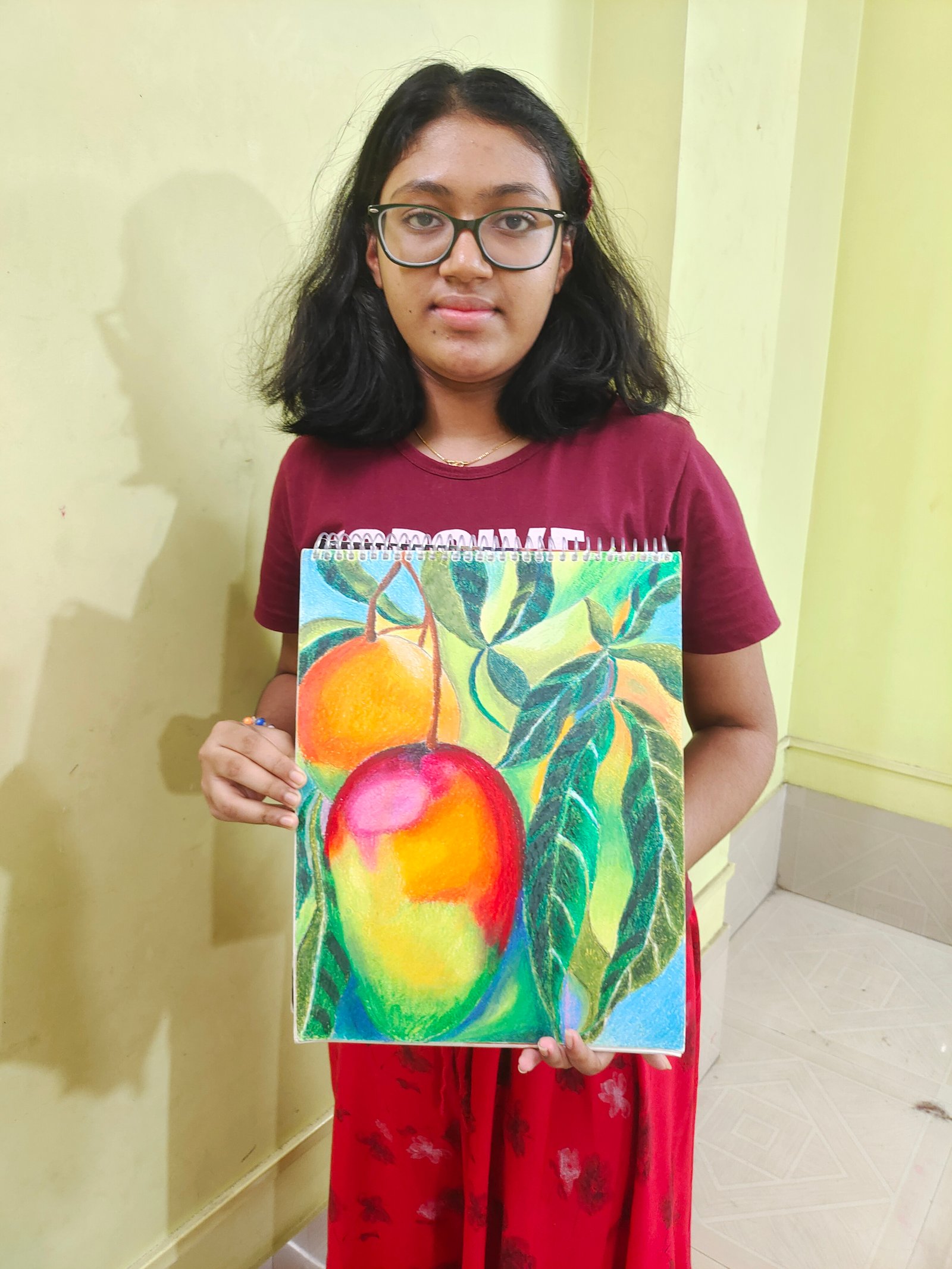
Pastel Colour Painting Discover the beauty of soft pastels and bring your imagination to life on paper. In our Pastel Colour Painting Classes, you’ll learn techniques such as blending, layering, shading, and texturing to create stunning artworks full of depth and vibrancy. Whether you are a beginner exploring pastels for the first time or an experienced artist refining your skills, our step-by-step guidance will help you master this versatile medium. Create landscapes, portraits, floral compositions, and more — all while enjoying a relaxing and creative atmosphere. 1. Learn colour theory & composition 2.Master pastel blending and shading techniques 3.Create both realistic and abstract artworks 4.Suitable for all age groups 5. Individual attention and creative freedom
Watercolor classes
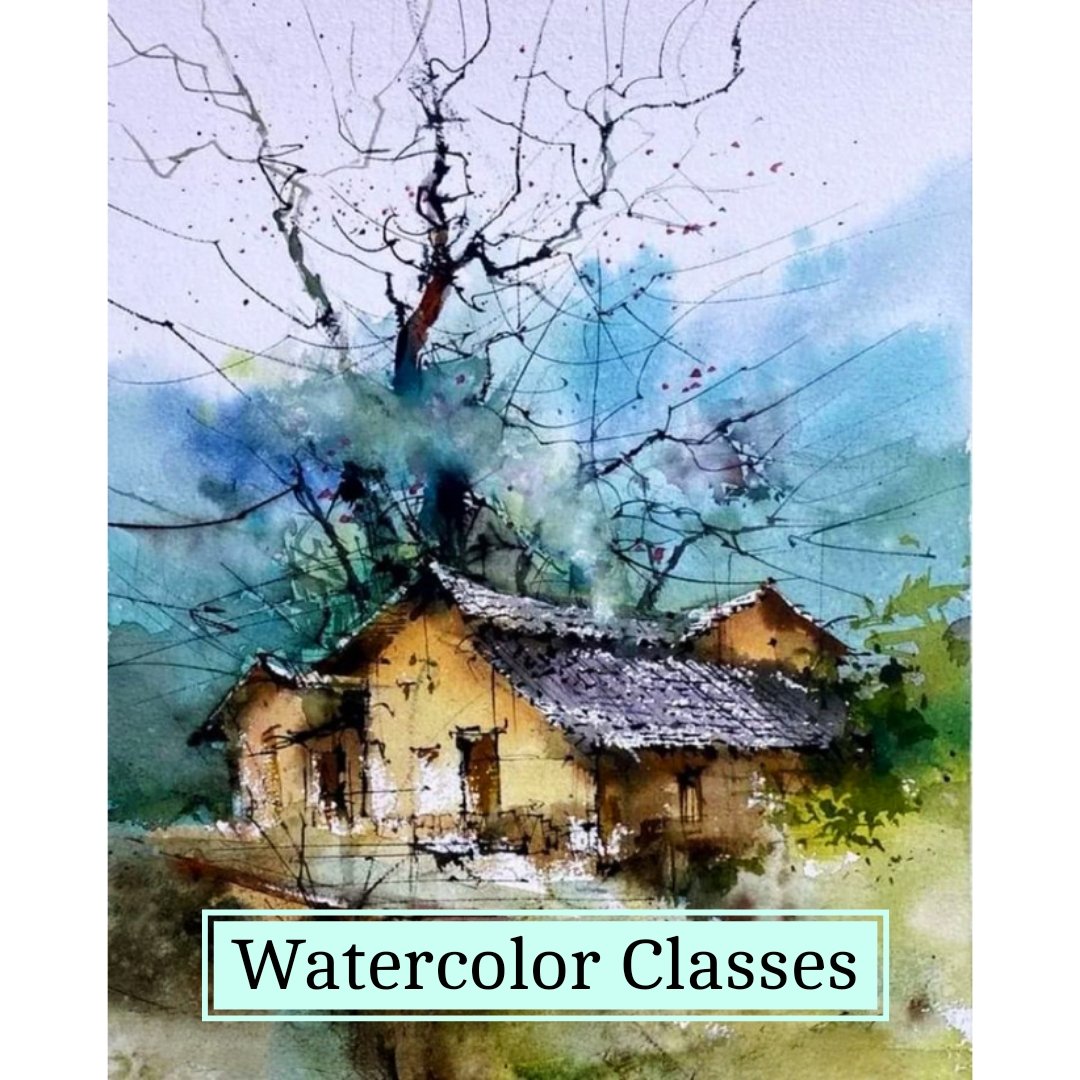
Watercolour Painting Classes The term watercolour comes from the Latin diminutive for “water” and refers to a painting technique where pigments are mixed with a water-based solution to create colour. In this art form, high-quality powdered pigments are blended with gum arabic and glycerin — the gum arabic binds the pigments together, while glycerin prevents the colours from hardening too quickly. In our Watercolour Painting Classes, students will explore the beauty of this delicate and fluid medium, learning how to control transparency, create soft blends, and achieve vibrant layers. From basic washes to intricate detailing, our step-by-step guidance ensures you gain the skills and confidence to express your creativity on paper. 1.Learn the science and art behind watercolours 2.Techniques for blending, layering, and washes 3.Understanding colour mixing and composition 4.Suitable for beginners and advanced learners 5.Create landscapes, florals, still life, and more
Sketching classes
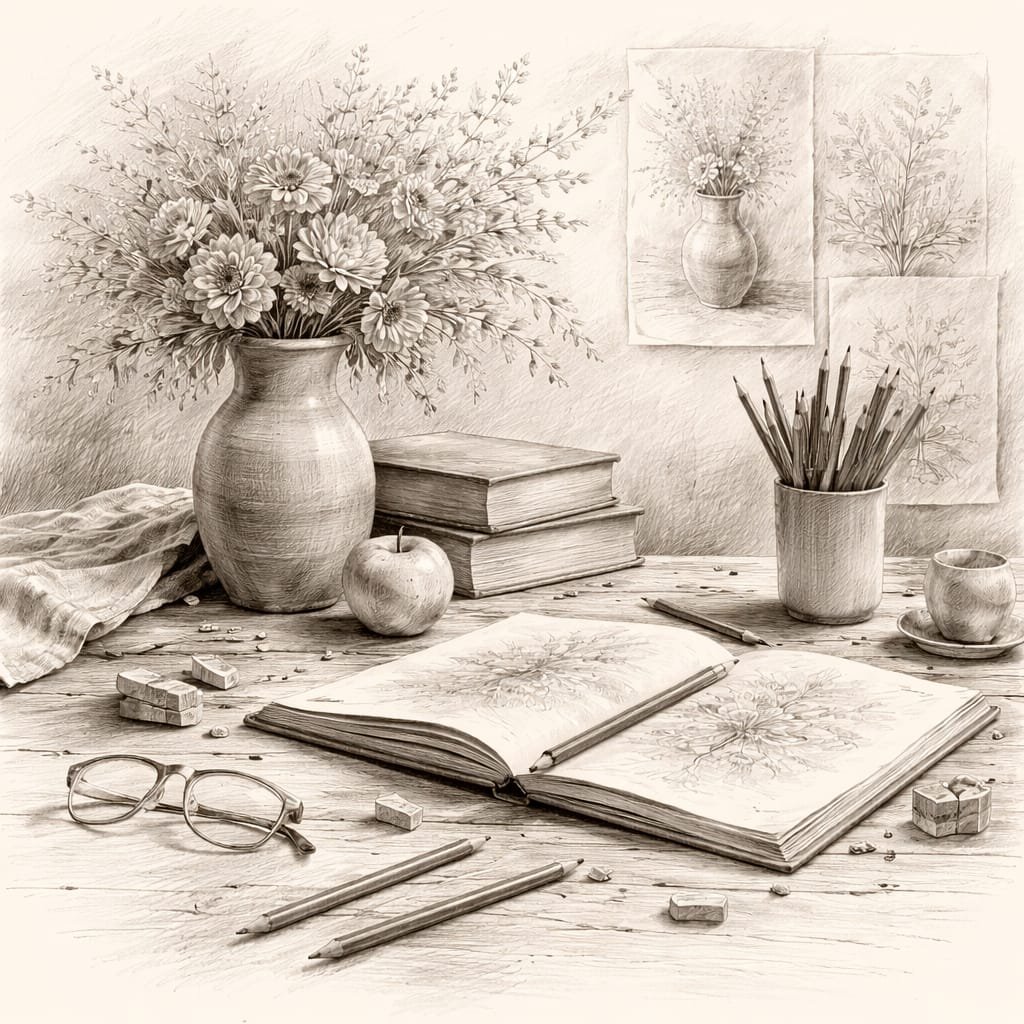
✏️ Sketching Class – Where Imagination Begins Discover the art of sketching and bring your ideas to life with pencil and paper. Our Sketching Class is designed for beginners as well as aspiring artists who want to build a strong foundation in drawing. In this course, students will learn: Basic to advanced sketching techniques Line drawing, shading, and proportion Object drawing, nature sketching, and portrait basics How to observe and draw with confidence Sketching is not just drawing — it is the language of creativity. This class helps improve observation, concentration, and artistic expression while building a solid base for painting and other art forms. Whether you are a student, hobbyist, or future artist, this class will guide you step by step to draw with skill and confidence. ✨ Start your artistic journey with sketching – the first step to becoming a true artist.
Pot Painting Classes
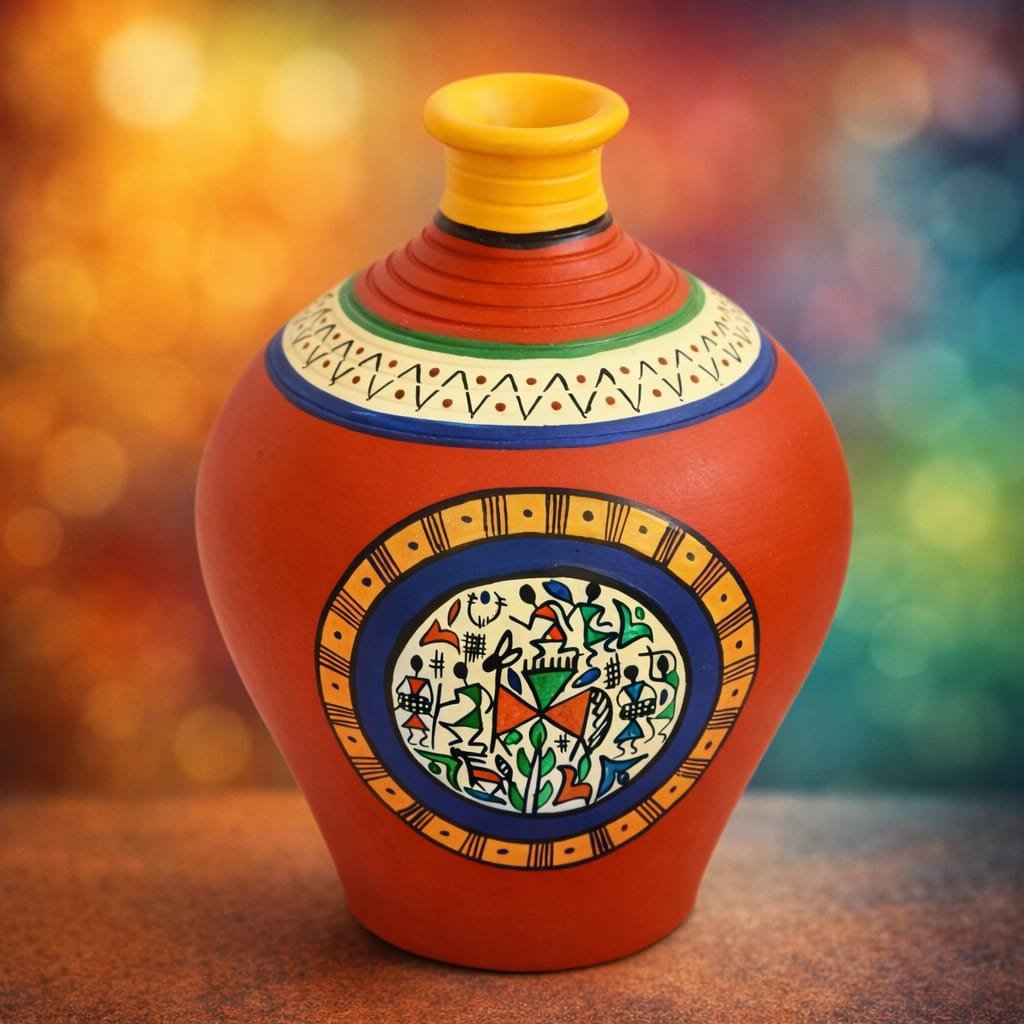
A Journey Through History, Culture and Creativity Pot Painting, also known as Pot Printing or Traditional Pot Art, is one of the most beautiful and ancient forms of Indian folk art. Its roots go back hundreds of years, deeply connected with the rural life, culture, and storytelling traditions of India, especially in Bengal and other eastern regions. Originally, this art form evolved from Patachitra (Scroll Painting), where artists, known as Patuas, used to paint stories on cloth or handmade paper and travel from village to village narrating mythological and social stories through their paintings. Over time, this storytelling art found a new canvas — clay pots, vases, earthen vessels, and decorative items — giving birth to what we now lovingly call Pot Painting or Pot Printing.
Oil painting classes
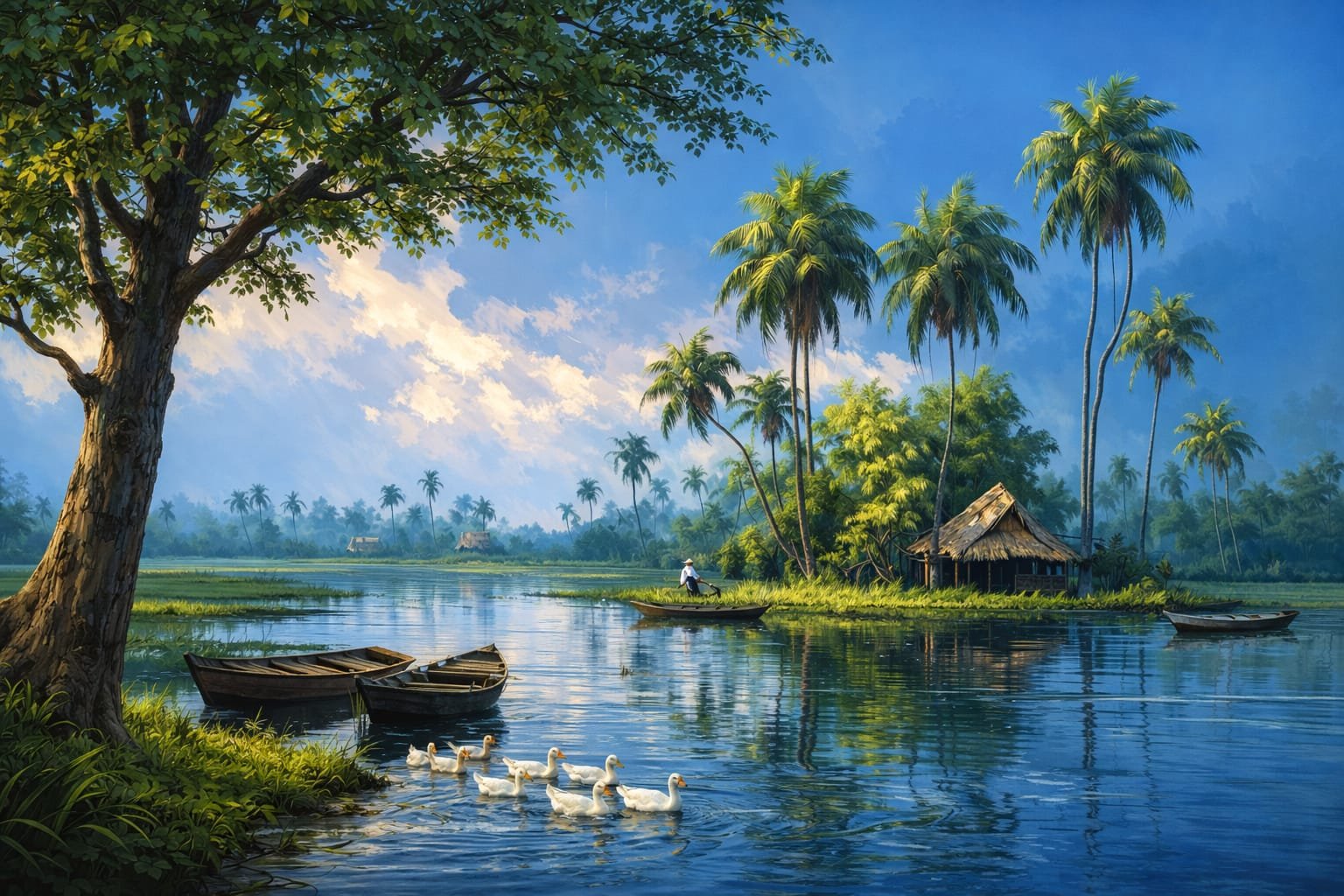
Oil painting is not just a way of making pictures; it is a timeless form of art that carries history, emotion, patience, and imagination together on a canvas. Long ago, people used to draw on walls, rocks, and wood using natural colors. Slowly, artists discovered that when color is mixed with oil, it becomes richer, smoother, brighter, and lasts much longer. This discovery gave birth to what we now call oil painting. According to history, the earliest use of oil-based colors can be found around the 7th century in the Bamiyan caves of Afghanistan. However, oil painting truly developed and became famous in Europe during the 14th and 15th centuries. The great artist Jan van Eyck played a very important role in improving and popularizing this technique. Later, during the Renaissance period, legendary artists such as Leonardo da Vinci, Michelangelo, and Raphael took oil painting to an entirely new level. World-famous masterpieces like Mona Lisa were created using this medium. One of the greatest strengths of oil painting is that the colors dry very slowly. Because of this, an artist can carefully blend colors, create soft transitions, and add depth, light, and shadow with great realism. This is why oil painting is considered the best medium for realistic and lifelike artworks. Expressions on faces, light in the sky, reflections on water, and fine details can be shown beautifully with oil colors. Oil paint is made by mixing color pigments with special oils, most commonly linseed oil. This oil makes the paint smooth, rich, and long-lasting. Because of this quality, many oil paintings remain fresh and beautiful for hundreds of years. Even today, we can see oil paintings that are 200 to 500 years old preserved in museums. In India, oil painting also has a glorious history. The great artist Raja Ravi Varma made oil painting very popular by painting Indian mythological and historical characters in a realistic and powerful style. His works are still considered priceless treasures of Indian art. Oil painting is not a fast or easy process. It requires patience, skill, and deep concentration. A single painting may take many days, weeks, or even months to complete, with several layers of color. But once finished, an oil painting becomes something that can touch hearts and remain alive for generations. That is why oil painting is often called “The King of Painting Mediums.” It is not just a picture—it is a permanent expression of history, emotion, and the artist’s soul.
Charcoal classes

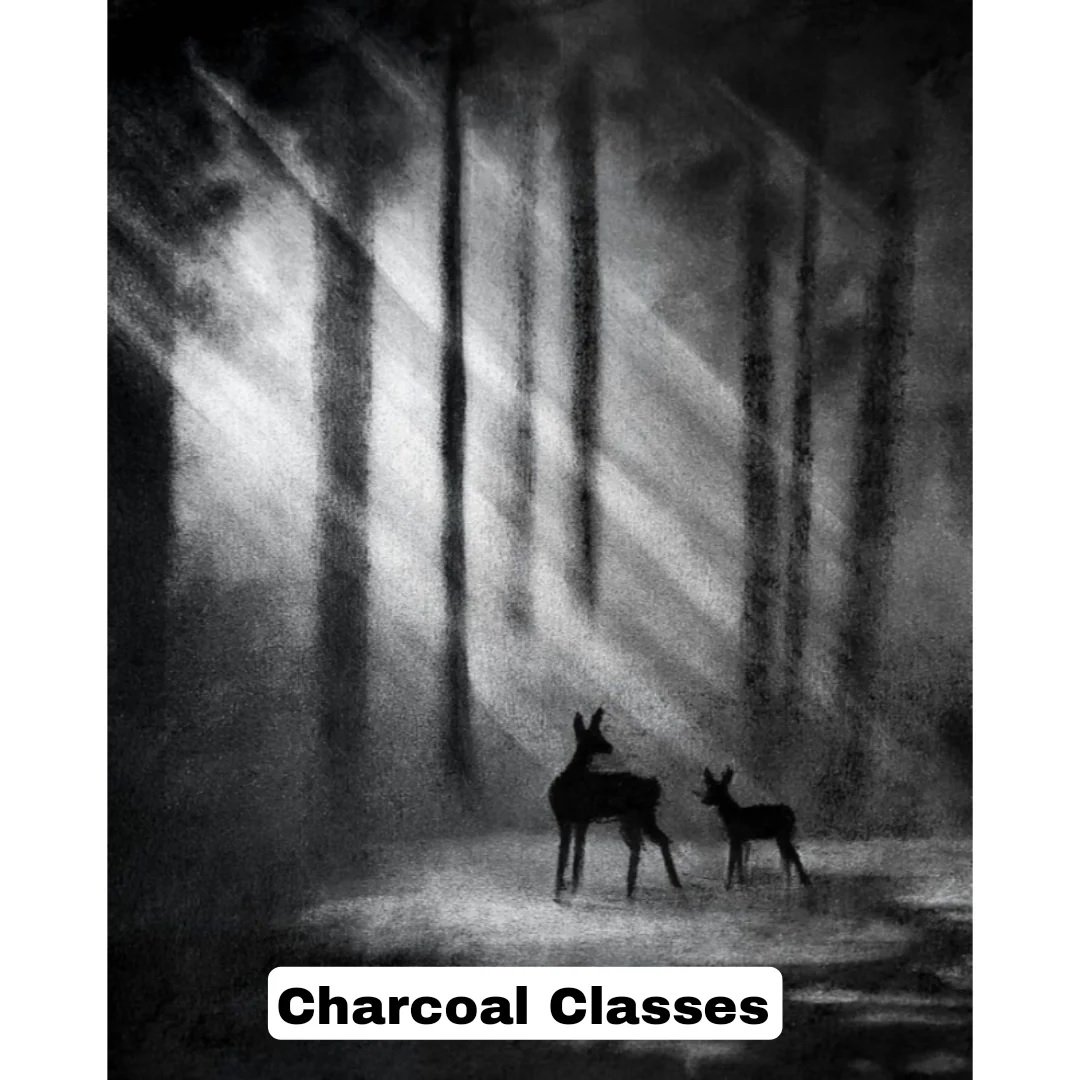
 কাঠকয়লা হল একটি হালকা ওজনের কালো কার্বনের অবশিষ্টাংশ যা সমস্ত জল এবং উদ্বায়ী উপাদানগুলিকে অপসারণ করার জন্য ন্যূনতম অক্সিজেনে কাঠ (বা অন্যান্য প্রাণী ও উদ্ভিদের উপাদান) দৃঢ়ভাবে গরম করে। ঐতিহ্যেকাঠের কাঠকয়লা উৎপাদনের ইতিহাস প্রাচীন যুগে বিস্তৃত, বিভিন্ন অঞ্চলে কাঠের প্রাচুর্যের মূলে রয়েছে। প্রক্রিয়াটি সাধারণত একটি শঙ্কুযুক্ত স্তূপ গঠনের জন্য কাঠের বিলেটগুলিকে স্ট্যাকিং করে

Advance oil pastel classes

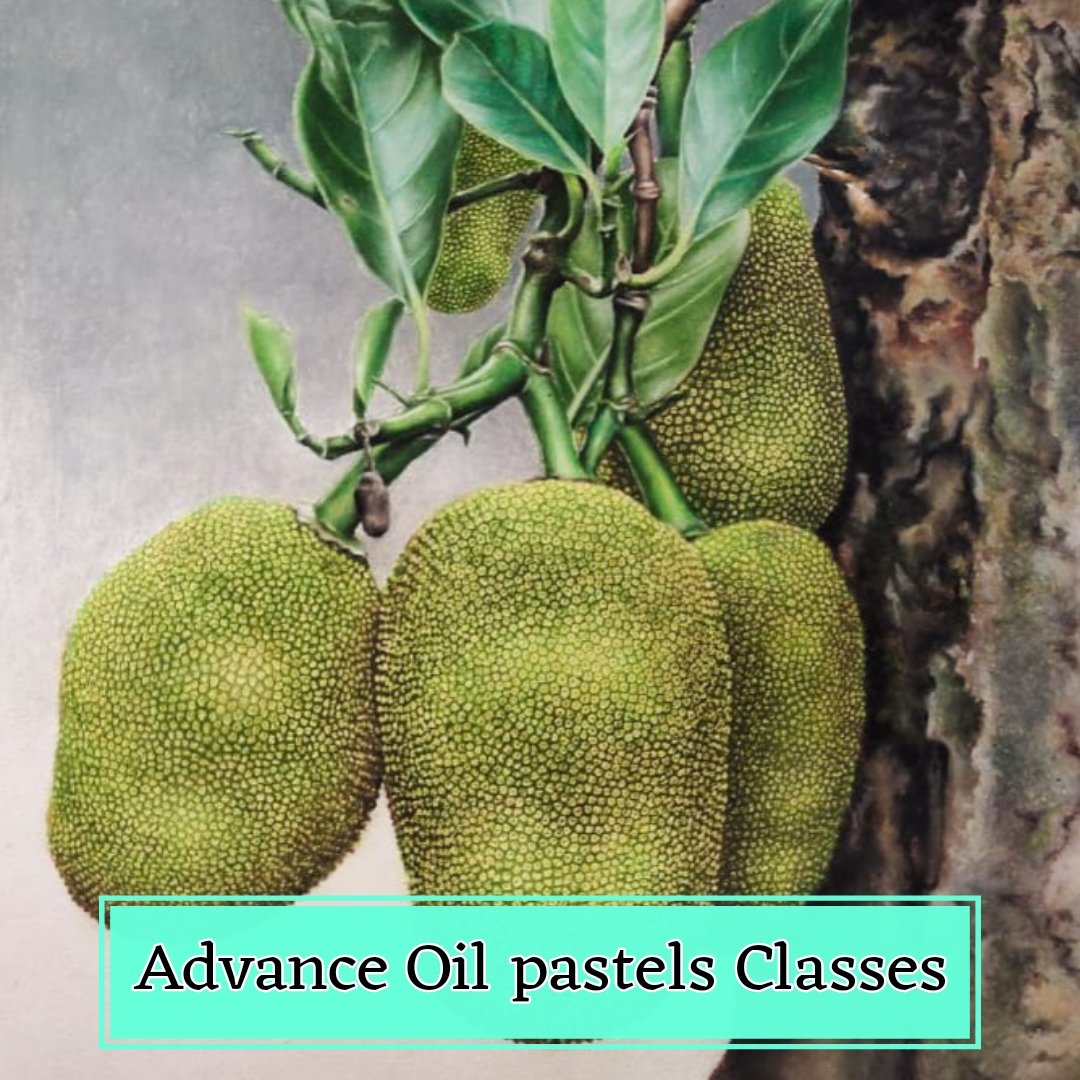
এই চিত্র অংকন  আসল ফটোগ্রাফি দেখে করা হয়। ফটোগ্রাফি দেখে খাতায় রংয়ের মাধ্যমে হুবহু রূপ দেওয়ার চেষ্টা করা হয়। আঁকার পর ছবিটি দেখে মনে হয় এটিও যেন একটি ফটোগ্রাফি এটিই এই পেইন্টিং এর একটি আসল বিশেষত্ব।

Acrylic painting classes

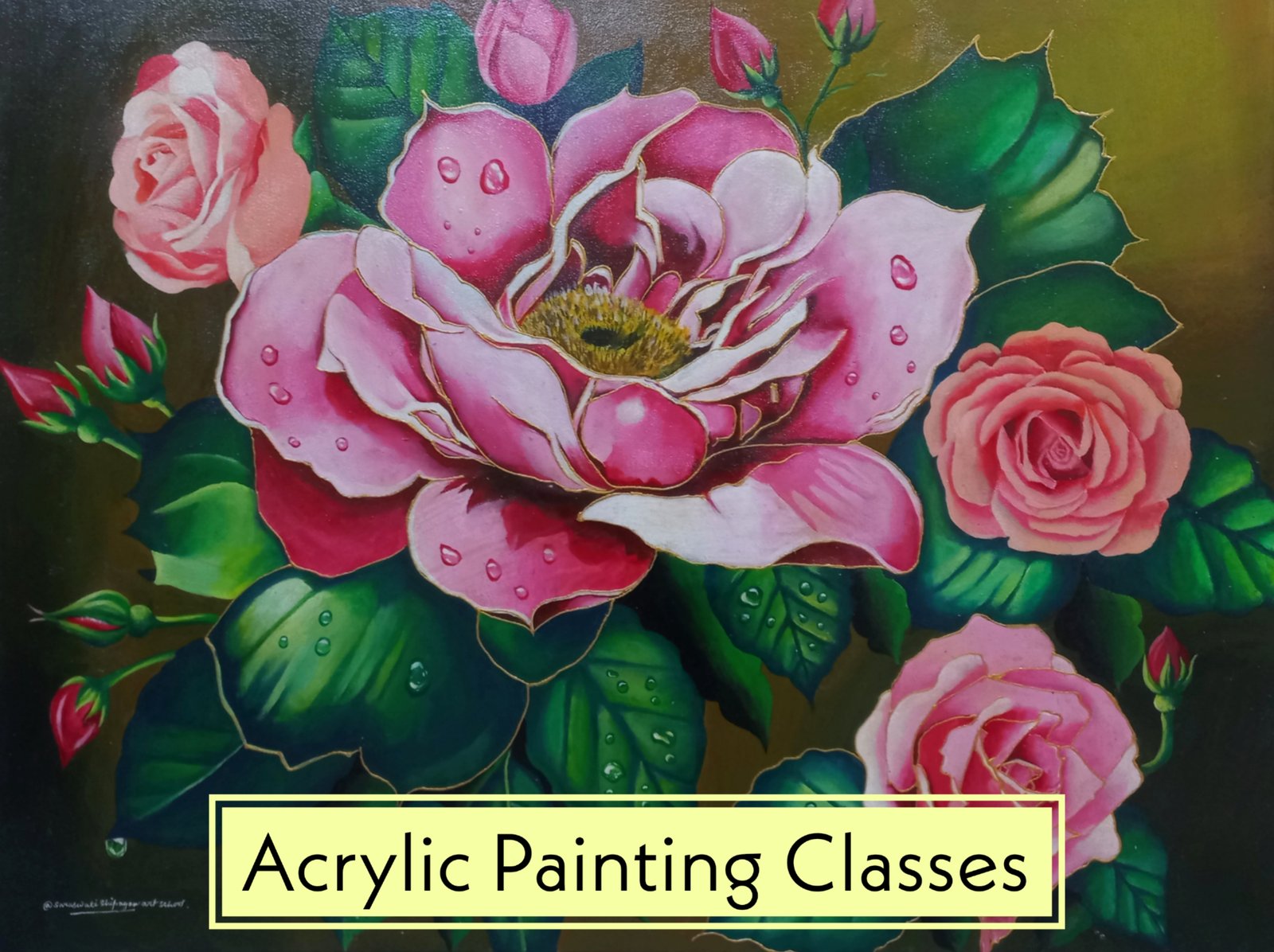
অ্যাক্রিলিক কালার হল দ্রুত শুকিয়ে যাওয়া একটি রং। আক্রিল কালার অ্যাক্রিল পলিমার ইমালশন রঞ্জক এর মাধ্যমে তৈরি হয়। এটি জলে দ্রবণীয় কিন্তু শুকিয়ে গেলে দ্রবণীয় নয়। এটি হলো একটি চিরস্থায়ী রং।এটি দিয়েও আমরা যে কোন পেইন্টিং করতে পারি। তবে আক্রিল কালার দিয়ে সাধারণত  ক্যানভাস পেন্টিং করে থাকি।

Close